An electric bicycle is a complex synthesis of traditional mechanical components and sophisticated electrical systems. The addition of motor assistance means that certain parts, particularly the drivetrain and brakes, are subjected to loads far exceeding those of a conventional bicycle. Implementing a strict maintenance protocol is not just about preserving performance; it is critical for rider safety and protecting a substantial financial investment.
Lithium-Ion Battery Care
The battery is the most expensive single component on an e-bike. Proper care can extend its lifespan by years. Lithium-ion cells degrade naturally over time, but extreme temperatures and poor charging habits accelerate this process.
- Charging Cycles: Avoid completely draining the battery to 0% on a regular basis. Lithium-ion batteries prefer shallow discharges. Charging from 20% to 80% is ideal for daily use, reserving full 100% charges for long planned rides.
- Storage Protocol: If you are storing the bike for winter, do not leave the battery fully charged or completely flat. Store it in a dry, room-temperature environment at around 50-60% capacity. Check it every few months and top it up as necessary.
- Temperature Management: Cold temperatures temporarily reduce range, but charging a battery while it is freezing cold can cause permanent chemical damage. Always bring the battery indoors and let it reach room temperature before connecting the charger.
Drivetrain Wear Mitigation
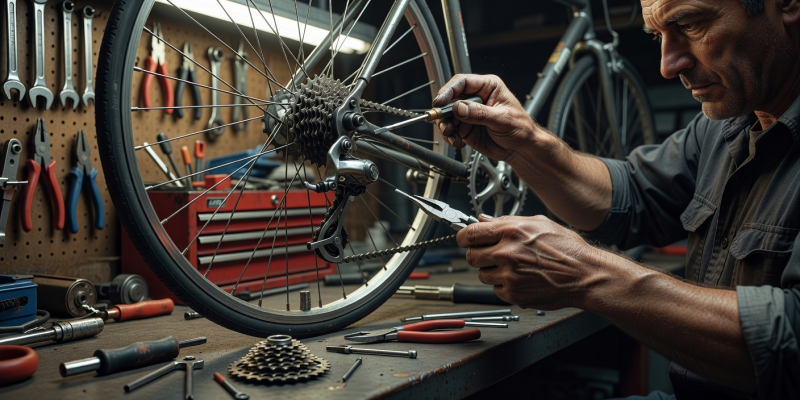
Mid-drive motors pull the chain with incredible force. If a rider shifts gears under full motor load, it can snap a chain or strip the teeth off a cassette instantly. To maximize drivetrain longevity, riders must learn to briefly ease off the pedals during a shift—a technique often referred to as "mechanical sympathy."
Beyond technique, regular cleaning is mandatory. Grit acts as a grinding paste, destroying chains rapidly. Wipe the chain down with a rag after every wet or dusty ride, and apply an e-bike specific chain lubricant. Use a chain checker tool monthly; replacing an elongated chain early (before it hits 0.75% stretch) will save you from having to replace the much more expensive cassette and chainring.
Hydraulic Braking Systems
E-bikes are heavy, and they travel fast. Stopping that mass safely requires immense hydraulic pressure. Over time, brake pads wear down, and hydraulic fluid can become contaminated with air or moisture.
Pad Inspection and Replacement
Check the thickness of the friction material on your brake pads frequently. If they wear down to the metal backing plate, they will destroy the brake rotor, drastically increasing repair costs and severely compromising braking power. Always bed in new pads properly by performing several hard, controlled stops from moderate speed in a safe area.
Brake Bleeding
If the brake lever feels "spongy" or pulls all the way to the handlebar, air has likely entered the hydraulic system. This requires a bleed, a process that flushes old fluid and air bubbles out, replacing it with fresh mineral oil or DOT fluid (always verify which your system uses; mixing them destroys the seals). While possible to do at home with a bleed kit, many riders prefer entrusting this critical safety task to a professional mechanic.
Software Updates and Diagnostics
Modern e-bikes feature sophisticated controllers. Manufacturers periodically release firmware updates that can optimize motor efficiency, smooth out power delivery, and address known bugs. Many systems connect via Bluetooth to a smartphone app, allowing users to tweak assist levels and install updates directly over the air.